






Owners
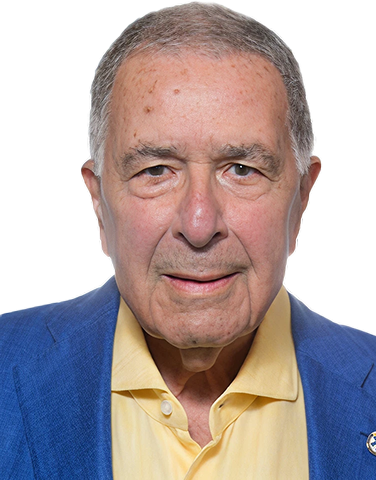
SHIMON
MIZRAHI
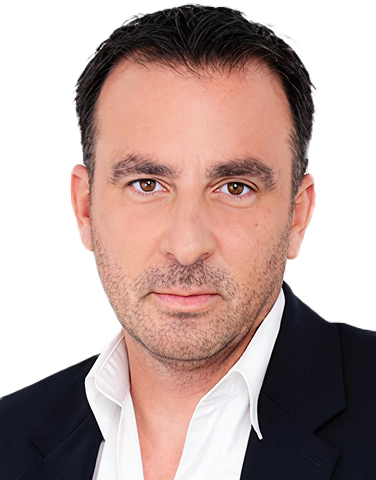
SHAY
RECANATI
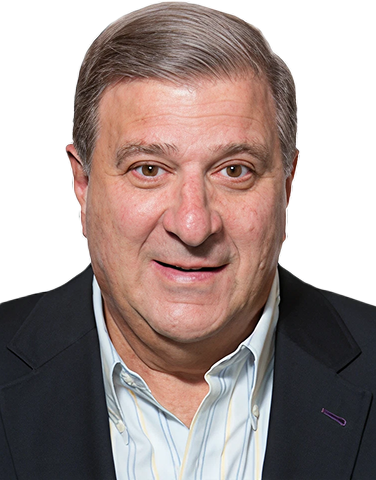
OUDI
RECANATI
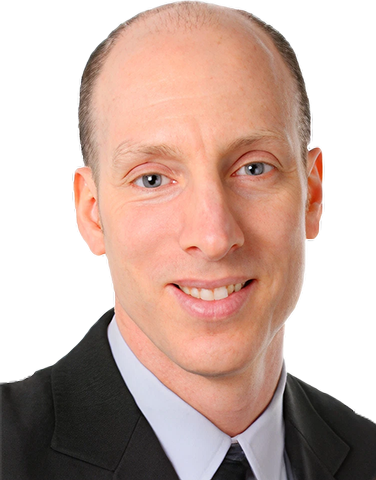
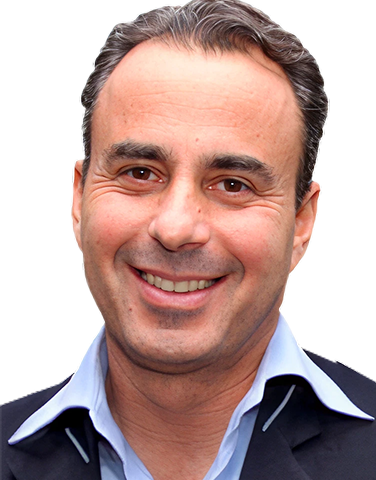
RICHARD
DEITZ
BEN
ASHKENAZY
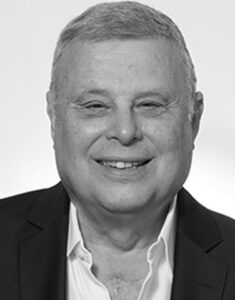
Co-Founder of the Company
DAVID FEDERMAN
Team Management
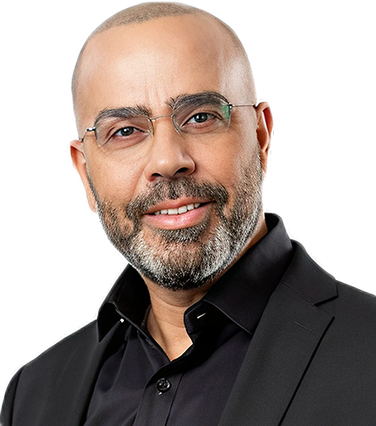
Avi
Ben Tal
CEO
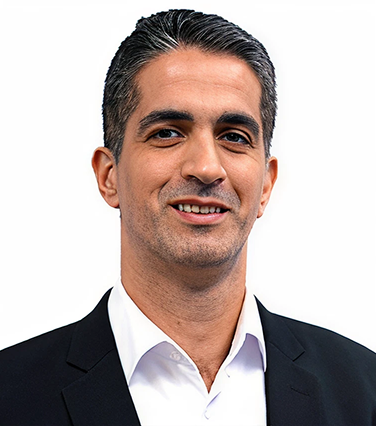
Zahy
Shaya
CFO
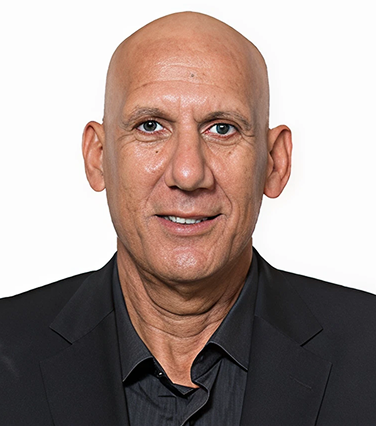
Doron
Jamchy
CMO
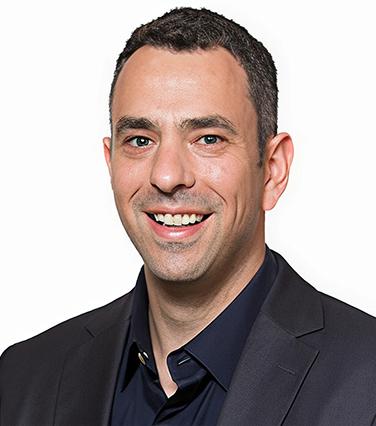
Roey
Gladstone
VP Communications & Digital
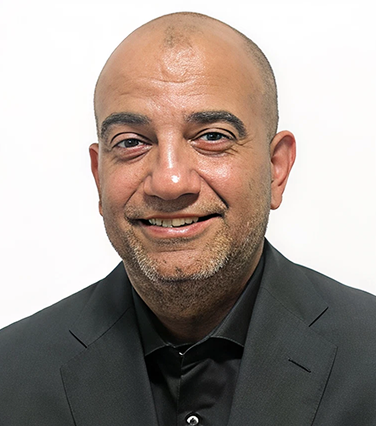
Oren
Atar
Head of Ticket Sales
Administration
Basketball Operations Manager
Nitsan Ferraro
Operations & Innovation Manager
Ofir Frank
Administration Manager
Liron Wolf
Media and Digital

Digital Manager and Press Officer
Daniel Shahak
Content and Digital Marketing Manager
Inbar Besor
Video Creator and Editor
Elad Etzion
PPC
Daniel Cohen
club photographer
Seffi Magriso
Photographer
Elad Goldstein
Graphic Design
Omri Keren
Marketing and Community
Platinum & Marketing Projects Manager
Rivi Turchin
Marketing and Advertising Manager
Efrat Ringel
Customer Portfolio Manager
Naama Aharonov
Finance Department

Controller
Ziv Trabelsi
Payroll
Sharona Damari
Bookkeeper
Tzofnat Yefet
Subscriptions and tickets

Sales and customer service

Nilly Pereg
Sales and customer service
Liel Danielov
Sales and customer service
Maor Busani
Sales, customer service and advertising subscriptions
Jenny Mubarak
Sales and customer service
Sahar Shechter
Youth department

chairman
Lior Arditti
CEO
Alon Ben-Zaken
Girls Department Manager
Shiri Gold
General Manager
Nadav Zilberstein
Girls Department Sporting Director
Avia Ben Mergy
School of Basketball and U12 General Manager
Giora Eitan
Operations Manager
Oded Shalom
School of Basketball Operations Manager
Omer Segal
Department Secretary
Tzipi Twigg
Merchandise
Shop Operations Manager
Ben Or Nigri
Customer Service Manager, E-Commerce and Shop
Lir Pinhasov
Customer Service
Shachar israeli
Maccabi Tel Aviv, a phrase synonymous with words like victory, achievement, and success—in Israeli sports and across Europe as well.
The club was established as a blue-and-white basketball department back in 1932. Blue and white because those were the colors, before yellow was adopted in the early 1940s as a sign of solidarity with the Jews of Europe who were forced to wear the yellow badge on their clothing.
Maccabi won the first five championships in the young State of Israel and established itself almost from the start as a force that had to be overcome on the way to the crown. The next leap forward came two years after the Six-Day War, when the urban rival Hapoel’s victory in the championship and the State Cup led to an administrative revolution in the club. A young lawyer named Shimon Mizrahi was appointed as the temporary chairman of the basketball department. Even he didn’t know then that the temporary would become the most permanent appointment in sports. The legendary coach Yehoshua Rozin was fired, and in his place, former player Ralph Klein—a young and promising coach himself—was placed on the sidelines. From there, the ascent began.

The management under Mizrahi fenced off the open court, began issuing entrance tickets for games and charging money for them—something that hadn’t been customary before. This created an initial and significant financial advantage over competitors, while on the sporting side, emphasis was placed on establishing a presence in European basketball. From that moment onward, the Yellows won 23 consecutive championships and all championships except one until 2008. In the international arena, as Mizrahi recounts, the goal was set to compete with Real Madrid within ten years. Eight years passed, and Maccabi won its first European championship.
That historic 1977 victory is considered the point at which Maccabi Tel Aviv established itself as the “team of the state” and broke into global consciousness. On the way to lifting that cup and the masses jumping into the fountain in Kings of Israel Square—the Yellows defeated the fearsome CSKA Moscow and, for the first time, crossed the “Iron Curtain” on their journey to the final in Belgrade. After that historic win over the Red Army team, captain Tal Brody declared: “We are on the map and we are staying on the map—not just in sports… in everything.” This was also aided by many years in which the team’s international games were broadcast on the single and only Channel 1, the tribal campfire of Israeli public life for a long period. Thus, cultural icons were created such as Tal Brody, Miki and Moti, Aulcie Perry, “Nesharka,” Jamchy, Kattashfer, and others.
Maccabi Tel Aviv has won the European championship six times and the Intercontinental Cup once. The Yellow squad even faced NBA teams—the best basketball league in the world—20 times and recorded several achievements: the first European team to play an NBA team, the first to beat one, the first to defeat an NBA representative on North American soil, and even the first foreign team to fill Madison Square Garden in an exhibition game—far from the arena where it regularly competes.
**Maccabi Tel Aviv—always in competition**
There is no more competitive environment than sports, which is its very essence. There is no more competitive team than Maccabi. Over the years, there were also the “Miracle in Badalona,” the “Miracle of Žalgiris,” and the “Miracle in Milan”—important victories after everything already seemed lost—that helped shape the club’s image. The long list of Maccabi’s titles, including 57 championships and 47 State Cup wins, also helped coin the term “Maccabism”—an uncompromising pursuit of victory.
Maccabi was among the founders of Israel’s top league and has never been relegated to the lower divisions. The Yellows compete every week against the best teams in the country and in Europe, where—as mentioned—they have established themselves as one of the continent’s most decorated clubs with six titles. On the other hand, they face the best rivals from much larger markets such as Spain, Turkey, Greece, Russia, Italy, Germany, and more.
Alongside the domestic league, which currently includes 14 teams and features two round-robin phases plus playoff series, Maccabi Tel Aviv holds an A license in the EuroLeague. This is one of only 13 clubs in Europe with a permanent entry ticket to the continent’s top basketball league and membership in its management. Seven more clubs are added to that group each year, with the number expected to grow in the coming years to expand into additional markets.
Membership in the EuroLeague places Maccabi almost every week at the center of continental interest in places like Barcelona, Madrid, Athens, Istanbul, Moscow, and Milan. The very exposure to such broad audiences, alongside sporting successes, attracting well-known stars, and extensive sponsor recruitment, places the club in a league of its own above its direct and indirect competitors in the Israeli sports scene.
According to DAVNIS sport company data, no less than 41% of sports fans in Israel see themselves as Maccabi Rapyd Tel Aviv fans to one degree or another. This is a significant gap over the next local brand in the list, which receives only 17% support.

**Numbers you didn’t know about Maccabi Tel Aviv**
– About 9,000 Israelis flew to Milan the last time Maccabi Tel Aviv reached the EuroLeague Final Four.
– About 460,000 users follow Maccabi on social networks—a figure that continues to grow.
– 55% of basketball fans in Israel define themselves as Maccabi Tel Aviv supporters (Calcalist survey, 2017).
– Maccabi Rapyd Tel Aviv is usually ranked fourth in the EuroLeague in average attendance per game, even though its home arena is only the 11th largest in the European league (10,823 seats). In terms of occupancy rate, the Yellows lead the European scene with 96% in EuroLeague games.
– Maccabi Tel Aviv basketball has won 113 official titles—more than any other professional sports club in the world. 123 if including the League Cup as well.